Lesson 4.4
Never miss a return window
Return windows by store and item type, and the Amazon holiday rule. 4 min read
The big ideaA return window is money with an expiration date.
Almost every family has something sitting in a closet that should have gone back: the wrong size, the gadget nobody uses, the duplicate gift. Once the return window closes, that money is gone.
Typical return windows (checked November 2026)
- Amazon: usually 30 days from delivery (15 days for Apple products). Items bought November 1 to December 31 can usually be returned until January 31.
- Target: 90 days for most items; 30 days for electronics; 14 days for Apple and Beats products.
- Walmart: 90 days for most items; 15 days for computers, tablets, cameras and drones.
Electronics almost always have the shortest windows, and they’re the most expensive things to get stuck with. Decide on those first.
Example · The Rivera family
The Riveras bought a $129 tablet for their son in early December. It went unused. Because of the holiday rule they still had until January 31, returned it on January 20, and put the $129 toward his savings goal.
Rules vary by item, seller and membership, and they change. Treat dates as “about” and check your receipt or order page.
Key notes
- Electronics have the shortest windows; decide on them first.
- Holiday purchases often get extra time to return.
- Keep receipts and order numbers where you can find them.
- A return you meant to make is money you already lost.
A steward’s view
Returning what you don’t need is good stewardship. Do it honestly, the way the store’s rules ask.
Do it in the app
Get a reminder before time runs out
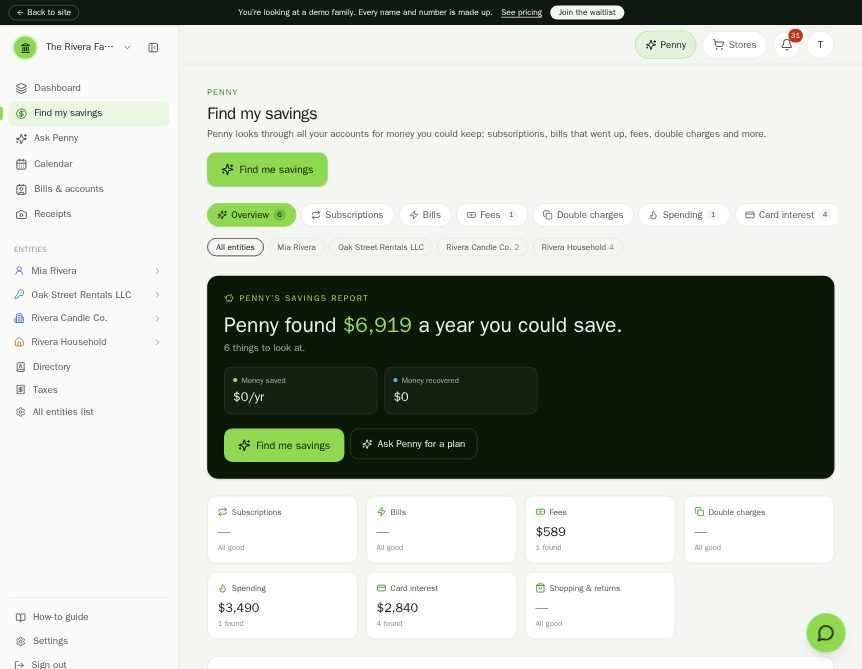
- 1Open Find my savings → Discount shopping → Return windows. Everything over $20 that’s still returnable is listed with its last day (about).
- 2Tap I returned it and Penny watches for the refund, or Keeping it to clear it.
- 3Turn on return reminders and Penny asks once a week if you’d like a reminder.
Quick quiz
3 questions
Track this automatically in Stackyard
Connect your accounts once and Penny watches for this every time your banks sync.
For education only; not financial, tax or legal advice. Store rules, rates and tax figures change; check the source before you act.