Lesson 9.4
Your baby’s first year
Diapers, childcare, insurance and leave. 5 min read
The big ideaThe first year costs less of a shock when you price it yourself before the baby arrives.
A new baby changes almost every line of the budget. Costs vary hugely by where you live, how you feed the baby and who watches them, so national averages don’t help much. Your own list does.
Build your own first-year list
- Monthly: diapers and wipes, formula or feeding supplies, baby care items, extra laundry.
- Childcare: call two or three centers or caregivers for real quotes. Many have waitlists, so ask early.
- Health: your new premium once the baby is added, plus deductibles and copays for checkups.
- One-time: car seat, crib, stroller and the rest of the gear. Hand-me-downs help, but be careful with used car seats: they expire and may have been in a crash.
- Income: how many weeks of leave are paid, and how much.
Example · A sample list (made-up numbers)
Diapers and wipes at $80 a month is $960 for the year. Childcare quoted at $1,100 a month for 9 months is $9,900. A $150 a month jump in the health premium is $1,800. Gear is $1,200. Total: $13,860, or $1,155 a month. Use your own quotes, not these.
Insurance and leave (checked November 2026)
- Job-based health plans must give you at least 30 days after the birth to add the baby, and coverage goes back to the birth date. Ask your HR team for their deadline.
- Marketplace plans (HealthCare.gov) give you 60 days after the birth to enroll or change plans.
- The federal Family and Medical Leave Act (FMLA) gives eligible workers up to 12 weeks of unpaid, job-protected leave. Some states and employers add paid leave.
Also apply for the baby’s Social Security number (usually at the hospital). You’ll need it for insurance, tax credits and savings accounts. Babies born in 2025 through 2028 may also qualify for a new federal Trump Account with a $1,000 government deposit. The baby must be a U.S. citizen with a Social Security number; see irs.gov for how to sign up.
Ask your employer whether it offers a dependent care FSA, which lets you pay for childcare with money before taxes.
Key notes
- Price your own first year: monthly costs, childcare quotes, health insurance and gear.
- Get on childcare waitlists early.
- Add the baby to a job-based health plan within its deadline (at least 30 days); Marketplace plans allow 60 days.
- FMLA leave is up to 12 weeks, unpaid but job-protected, for eligible workers.
- Get the baby’s Social Security number right away.
A steward’s view
A new child is one of the best reasons to plan ahead, and a reminder of what all the planning is for.
Do it in the app
Put the baby in the budget
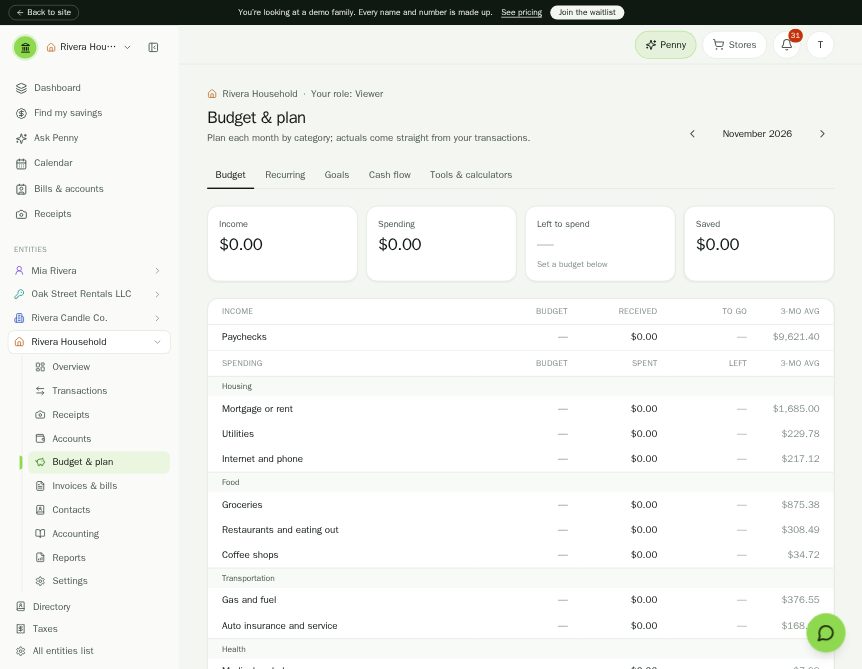
- 1Open your household → Budget & plan → Budget and add lines for diapers, childcare and baby gear.
- 2Each row shows budgeted, actual and what’s left, so you’ll see in the first months whether your estimates were right.
- 3On the Goals tab, add a goal for the gear and the weeks of unpaid leave, with a target amount and date.
Quick quiz
3 questions
Go deeper
- U.S. Department of Labor: FMLAWho qualifies for family leave and how it works.
- HealthCare.gov: Special Enrollment PeriodHow a birth or adoption lets you get or change a Marketplace plan.
Track this automatically in Stackyard
Connect your accounts once and Penny watches for this every time your banks sync.
For education only; not financial, tax or legal advice. Store rules, rates and tax figures change; check the source before you act.